Frequently Asked Questions

Our FAQ and information centre is designed to provide clear, straightforward answers when you need them most. Explore helpful information about cremation and what to expect, planning ahead and making your wishes known, the history and traditions of funeral service, and answers to common general questions.

At Thames Valley Cremation Services Inc., our goal is to help you feel informed, comfortable, and confident as you consider the options that are right for you and your family.

General Information

Planning Ahead

Cremation

History of Funeral Services

General Information

Yes. The act is called the Funeral, Burial and Cremation Services Act, 2002 (FBCSA). It is a piece of Ontario, Canada legislation (S.O. 2002, c. 33) that regulates the bereavement sector, covering funeral directors, transfer services, funeral establishments, cemeteries, and crematoriums to ensure consumer protection.

Visit ontario.ca/laws/statute/02f33 to read the legislation.

No. In Ontario, a family is not required to use a funeral home. There are different types of providers authorized by the Bereavement Authority of Ontario to provide specific services. Families have a choice. If a funeral, visitation, or ceremony is not wanted, Thames Valley Cremation Services Inc. provides simpler options for direct cremation, direct burial or body donation.

Two local licensed funeral directors, Roberta MacNeil “Birdie” & Mike Holmes. Together they have a combined 29 years of practising in our community.

A Transfer Service Operator – Class 1 is a licensed funeral provider in Ontario authorized to transfer deceased persons and arrange direct cremation, direct burial, and body donation transfers. Unlike a funeral establishment, a transfer service does not provide visitations, funerals, or ceremonies.

Under Ontario legislation, the day-to-day operations of a Transfer Service Operator – Class 1 must be managed by a person licensed as a Funeral Director – Class 1. Both owners of Thames Valley Cremation Services Inc. — Roberta MacNeil “Birdie” & Mike Holmes — are licensed Funeral Directors – Class 1, bringing 29 years of combined experience serving the community.

At one point all funeral homes were independently owned. Large corporations started buying funeral homes in the 1960s. Today in London, the majority of funeral homes are owned by large corporations, which means they can control the cost of funerals.

Thames Valley Cremation Services Inc. is not owned by a large corporation — it is owned by two local funeral directors.

This is a mandatory $30 licensing fee charged for every death registered, cremation, and interment in a cemetery. It supports the BAO’s regulatory oversight of the sector.

Yes. All licensees are required to provide you with a free copy of the Consumer Information Guide prepared by the Bereavement Authority of Ontario (BAO).

Yes. Under the FBCSA, providers must give you a detailed price list of all the supplies and services they offer, at no cost, before you enter into a contract.

The way people purchase funeral services has changed significantly over the past several decades. In the 1980s, it was common for a family to call the local funeral home, make the arrangements and receive the bill afterwards. The price at that time was more affordable than today. As consumers began asking for simpler choices and more information about costs, direct cremation and transfer services became an increasingly important part of Ontario’s bereavement sector.

Today, consumers have far more choice, and licensed providers are required to make their price lists available. But having access to a price list does not necessarily make it easy to read or to determine what the final bill will be. Funeral home price lists can contain numerous services and supplies, and other fees — such as the cremation, death registration, coroner’s cremation certificate, or the out-of-town death registration fee, known as disbursements — are additional costs that are rarely mentioned. Someone comparing prices may therefore have difficulty determining the complete cost from the numbers they initially see.

Thames Valley Cremation Services Inc. believes the public should know the complete cost before making the phone call. That became the foundation of our all-inclusive Direct Cremation Package. We publish the costs that make up the arrangement, including our professional services, transfers, documentation, cremation container, crematorium charge, required disbursements and applicable HST. Then we put the number that matters most at the bottom: $2,695.00, including HST.

Thames Valley Cremation Services Inc. is available 24 hours a day, 7 days a week, 365 days a year. Families can call us as soon as a death occurs, or they may call ahead when a death is expected.

We do not use an answering service. When you call, the phone is answered directly by Birdie or Mike, the owners and licensed funeral directors. This includes evenings, overnight, weekends, and holidays.

No. Many funeral establishments and funeral providers charge an additional fee when a transfer takes place outside regular 9-to-5 business hours, including evenings, overnight, weekends or holidays. At Thames Valley Cremation Services Inc. that fee is already built into our all-inclusive package. We do not charge additional after-hours transfer fees.

An “At-Need meeting” is the appointment that takes place shortly after a death has occurred, typically the next day or within two days.

This is when the family or executor meets with Thames Valley Cremation Services Inc. to make final arrangements, select services such as direct cremation, direct burial, or body donation, and complete the required legal documents.

We offer flexible appointment times, including evenings, weekends, and statutory holidays at no additional charge.

Tip: When comparing funeral providers, ask for the complete price list. Some providers charge additional fees for after-hours arrangements, weekend appointments, services outside regular business hours and statutory holidays.

To help complete the necessary paperwork, please bring the following, if applicable:

• The deceased person’s Social Insurance Number (SIN)
• A copy of the will (a photocopy is acceptable)
• A marriage certificate, if applying for the CPP Survivor’s Pension
• A copy of the photo identification for the executor or next of kin

Once Thames Valley Cremation Services has been contacted, the necessary verbal permission has been received, and the hospital has authorized the release, we will arrange the transfer immediately. In most cases, we can attend the hospital within approximately one hour of receiving authorization for release. Please note that hospitals in London, Ontario will only allow us to transfer during specific hours.

Once Thames Valley Cremation Services has been contacted, the necessary verbal permission has been received from the executor or next of kin, and Parkwood Hospital has authorized the release, we will arrange the transfer immediately. In most cases, we can attend within an hour. We transfer 24 hours a day, 7 days a week, at any time of the day.

Once Thames Valley Cremation Services has been contacted, the necessary verbal permission has been received from the executor or next of kin, and St. Joseph’s Hospice has authorized the release, we will arrange the transfer immediately. In most cases, we can attend within an hour. We transfer 24 hours a day, 7 days a week, at any time of the day.

Once Thames Valley Cremation Services has been contacted, the necessary verbal permission has been received from the executor or next of kin, and the long-term care facility has authorized the release, we will arrange the transfer immediately. In most cases, we can attend within an hour. We transfer 24 hours a day, 7 days a week, at any time of the day.

A death can occur at any time, including overnight, weekends, and holidays. Thames Valley Cremation Services Inc. is available 24 hours a day, 7 days a week to respond and bring your loved one into our care. We are also available to meet for arrangements on holidays, evenings or weekends at no additional charge.

Tip: When comparing funeral providers, some charge an additional fee to meet on a holiday, after hours or on weekends.

Once Thames Valley Cremation Services Inc. has been contacted, verbal permission has been received from the person authorized to make the arrangements, and the nursing agency or appropriate healthcare professional has been notified of the death, we will arrange the transfer immediately or at a designated time you wish for us to arrive.

In most cases, we can attend the home within approximately one hour. During overnight hours, depending on the location within our service area, it may take approximately one hour to one and a half hours. We will always give you an estimated time of arrival.

There are a few things that can help us when we arrive. If it is dark, please turn on the outside house lights. If possible, remove your vehicle from the driveway and let us know whether we should enter through the front, side or back door.

When we arrive, we will come to the door and introduce ourselves. We will ask for any medical documentation that has been left at the home and then determine the best route through the house. We may need to temporarily move shoes or other small items to provide a clear path. We will ask permission to bring our stretcher and other equipment into the home, and then proceed with the transfer of the deceased into our care once everyone has said their final goodbye. We will handle the deceased with respect and compassion.

Families sometimes ask whether the transfer can be discreet. Yes. We use an unmarked transfer van rather than a hearse, allowing us to attend the home without drawing unnecessary attention.

We suggest families step into another room during the physical transfer to avoid distress. However, some families wish to be present or wish to assist in the transfer. We will follow your instructions.

Thames Valley Cremation Services Inc. will dress the deceased at no charge.

Tip: When comparing funeral providers, many charge an additional fee of approximately $50.00 or more to dress the deceased. It is always best to review the full price list carefully when comparing funeral providers.

A Statement of Death, also known as Form 15, is a legal document used to register a death in Ontario. It contains information about the deceased and is completed as part of the required death registration process.

Form 15 is completed by both the service provider (Thames Valley Cremation Services Inc.) and an “informant” — usually a family member — to register the death with the municipality.

Yes. A burial permit issued by the local municipality is required for every final disposition, whether it is burial, cremation or body donation. The fee to register the death is $40.00 in the City of London.

Before a burial permit can be issued, Thames Valley Cremation Services must have the Statement of Death (Form 15) and the Medical Certificate of Death (Form 16). These documents are filed with the municipality, and the City of London will then issue the Burial Permit (Form 19). The burial permit fee is a disbursement, meaning it is a third-party cost added to all at-need contracts. At Thames Valley Cremation Services Inc., this fee is included in our all-inclusive package.

Tip: When comparing funeral providers, make sure the burial permit fee is included. Most funeral provider price lists and websites only indicate their own costs and not the disbursements that are mandatory for the disposition.

In Ontario, crematoriums are required to use a metal identification tag throughout the cremation process. That tag stays with the deceased and is placed in the container holding the cremated remains. The tag includes a unique identification number and the name of the crematorium. That number is referred to as the “Cremation Number.”

Yes. The legislation requires that all agreements for bereavement supplies and services be put into a written contract that meets specific legal standards to be enforceable.

No. Embalming is not mandatory. Only a Funeral Home – Class 1 can offer embalming. Thames Valley Cremation Services Inc. does not offer embalming.

Cremation can only take place with written authorization from the deceased’s legal representative — the executor of the estate, legal next of kin, or administrator.

This is a document issued by Thames Valley Cremation Services Inc. that is used to handle the deceased’s affairs, such as closing bank accounts, accessing insurance, notifying Service Canada of the death, or applying for the CPP Death Benefit or CPP Survivor’s Benefit. We provide Proof of Death certificates at no additional cost.

Tip: Many funeral providers charge approximately $25.00 per certificate or more; Thames Valley Cremation Services Inc. provides an unlimited number to ensure families have what they need during this difficult time.

To give you a clearer picture, here are some estimates of average funeral costs in London, Ontario:

• Traditional funeral service from a funeral home: $10,000 to $20,000
• Cremation with a service held at a funeral home: $7,000 to $10,000
• Direct cremation: $2,500 to $6,000 within the City of London

No. It is very important to compare prices and compare funeral providers. Costs can vary significantly between providers — funeral homes and transfer service operators — and taking the time to understand your options helps you make an informed decision. It also helps avoid unexpected costs or hidden fees later that could run into the hundreds or thousands of dollars.

It is the financial struggle that occurs when the cost of a traditional funeral is more than a family can afford. It happens when people are forced to take on high-interest debt, sell belongings, or sacrifice basic needs like rent and groceries just to pay for a dignified service. It turns a time of grieving into a time of financial crisis. By choosing more affordable options — like direct cremation — families can honour their loved ones without the burden of long-term debt.

My answer is always the same: you have to trust your heart. Choosing the right provider is not just about price or place — it’s about finding people who truly care for you, your family, and your wishes. It’s about trust, compassion, and knowing that when the time comes, there will be someone to answer the phone, listen, walk alongside you, and guide you through every step — gently, honestly, and without pressure.

When someone passes away, most families don’t know where to begin. That’s where we come in. From the very first call, we take your loved one into our care as if they were our own. We handle every detail with dignity — transportation, documentation, coordination, and communication — ensuring that everything is managed with care and respect.

When a death occurs we make ourselves available 24 hours a day, seven days a week, because loss doesn’t keep office hours. Whether you reach out at noon or in the middle of the night, you’ll speak with the owners, Roberta MacNeil “Birdie” or Mike Holmes, licensed funeral directors who will walk you through what needs to happen next with calm and compassion.

For those planning ahead, we offer simple, thoughtful pre-arrangement options. Pre-planning gives peace of mind — knowing your wishes are documented and your family will be supported when the time comes.

At Thames Valley Cremation Services Inc., we are a caring, local, and independent service. Every detail matters to us, because every family matters. We believe arrangements should be simple and flexible — whether made at our office, from your home, or by phone, email or DocuSign. We work for you, not the other way around.

We have served hundreds and hundreds of families throughout our careers, and that experience has shaped the way we care — with honesty, transparency, and respect. We take time to answer questions clearly, so you can make decisions in your own way and in your own time.

At Thames Valley Cremation Services Inc., this isn’t a business — it’s a calling. Helping families through one of life’s most difficult times is our purpose, and it is an honour we hold close to our hearts. We help. We care. Always.

An obituary in a newspaper is not required. If you choose to publish one, it is an additional cost and is treated as a disbursement. The cost is affected by the length of the obituary and whether a photo is wanted.

Thames Valley Cremation Services Inc. provides a complimentary obituary on our website, which can be shared using the Facebook, X, Email, LinkedIn, Text Message or Copy Link buttons located below each Tribute Page. This makes it easy to notify relatives, friends, neighbours, and coworkers, allowing them to read the obituary, leave a message of condolence, and share a memory from anywhere in the world.

Obituaries have evolved from formal notices of a person’s death into something much more personal — an opportunity to tell the story of a life. An obituary can include family, friendships, career, accomplishments, favourite places, interests, hobbies and pets. It does not have to follow a traditional format or be limited to a few paragraphs.

On a Thames Valley Cremation Services Inc. Tribute Page, an obituary can be as long as the family would like and can be presented in different languages. We take pride in helping families create an obituary that goes beyond announcing the death, to share memories, stories and the life of the person being remembered.

For decades, it was common for obituaries to include words such as “Cremation has taken place.” Today, including this information is a personal choice and is not necessary to add to the obituary.

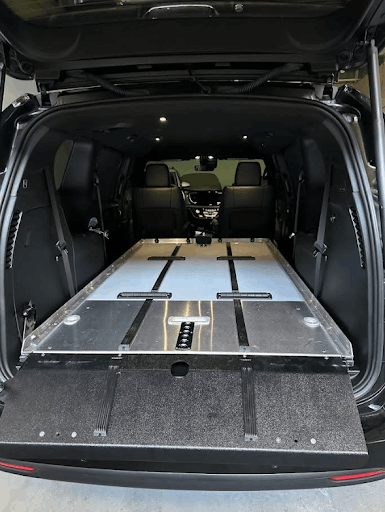
Thames Cremation Services has a brand-new Dodge Grand Caravan, purpose-equipped with a professional mortuary transport deck. We purchase high-quality equipment because the care and transportation of the deceased must always be handled with respect.

The deck includes a ramp and four rollers to assist with loading and unloading, along with equipment that secures the cot, cremation container or casket during transportation. The vehicle can transfer the deceased from the place of death to crematorium, to Western University for Body Donation, or directly to the cemetery for direct burial. 


Thames Valley Cremation Services transfer vehicle
Mortuary transport deck with ramp and rollers

Planning Ahead

There is no fee to meet with us to discuss your pre-planning options, and there is no obligation to buy.

It’s never too early to begin pre-planning. While no one enjoys thinking about their own passing, taking a few simple steps now makes things easier for children, family, or the executor later. Pre-planning gives peace of mind knowing everything is arranged, so you and your loved ones can focus on what matters — enjoying life.

There is no cost to speak with a licensed funeral director. You can connect with us by phone, text or email, meet with us in your home, or make an appointment at our office.

Pre-planning appointments with us are available during regular office hours, as well as evenings and weekends. We offer flexible appointment times to accommodate your schedule.

We have a dedicated Planning Ahead page with information about pre-arrangements and the trust company we use, Guaranteed Funeral Deposits (GFD). We can also deliver, at no cost, a guide book on direct cremation, direct burial, or body donation for you to review in the privacy of your own home.

Yes. Thames Valley Cremation Services Inc. will set up a “not-paid file.” It is set up exactly like a pre-paid file, where we record all your wishes, but no money has been received.

Before entering into a contract, we recommend reading the Bereavement Authority of Ontario Consumer Information Guide, A Guide to Death Care in Ontario. It explains your rights and responsibilities and provides important information to review before entering into a contract. You can find the guide on our website under Helpful Resources — Bereavement Authority of Ontario.

Guaranteed Funeral Deposits (GFD).

Visit gfd.org for more information.

A Thames Valley Cremation Services Inc. Pre-Need Funded by Trust Contract and a Cremation Contract issued by the crematorium. Once the funds are submitted to Guaranteed Funeral Deposits (GFD), a PAD payment authorization form is used to process your payment by credit card (Visa or Mastercard) or bank withdrawal.

A prepaid contract provides a detailed record of the arrangements and must include important information about the purchaser, recipient, provider and the arrangements being purchased. A Thames Valley Cremation Services Inc. prepaid direct cremation contract includes:

• The name of the person purchasing the contract
• The name of the person for whom the arrangements are being made
• Thames Valley Cremation Services Inc. as the licensed provider
• The services, supplies and disbursements selected, including their itemized costs
• Applicable taxes and the total contract price
• Payment terms and, if applicable, the payment schedule
• How prepaid funds are deposited and held in trust with Guaranteed Funeral Deposits (GFD)
• Information about the price guarantee and when it applies
• Contract terms, including cancellation and refund rights
• How changes or substitutions are handled
• Disclosure of any commissions or benefits received for recommending certain supplies or services. Thames Valley Cremation Services Inc. does not receive any kickbacks from third-party disbursements such as the cremation
• What happens to the trust funds at the time of need, including any surplus or shortfall
• What the legally authorized representative will be required to do at the time of death

A completed and signed copy of the contract is provided for the purchaser’s records.

Yes. Thames Valley Cremation Services Inc. can provide your lawyer, bank or trust officer with a copy of your prepaid contract and the trust certificate issued by Guaranteed Funeral Deposits (GFD). With your authorization, we’ll send the documents directly to their office by email and handle the process for you.

Yes. Thames Valley Cremation Services Inc. can provide your executor with a copy of your pre-paid documents. With your authorization, we’ll send the documents to them by email.

You have 30 days after signing a contract to change your mind and receive a full refund, provided no services or supplies have already been delivered.

Yes. You can cancel after 30 days, but the provider may charge a cancellation fee — typically the lesser of 10% of the contract price or $350.

Yes. As of July 1, 2012, prepaid contracts for bereavement services in Ontario are guaranteed, meaning the provider must honour the services at no extra cost to the estate later. However, the contract must be paid in full.

Yes. We provide a Funeral Arrangements Wallet Card for your direct cremation, direct burial or body donation to everyone who establishes a not-paid file or prepaid arrangements with us. The card confirms that your arrangements are on file with us and includes our 24-hour contact information. Keep it in your wallet, give a copy to your children or executor, or place it somewhere visible in your home, such as on the refrigerator or near the back door.

When you prepay your arrangements with Thames Valley Cremation Services Inc., your funds are held in trust through Guaranteed Funeral Deposits (GFD). GFD issues a Trust Certificate for your prepaid arrangement, providing a record of the funds held for your future arrangements. We will provide you with a copy of the Trust Certificate to keep with your prepaid contract. A sample GFD Trust Certificate can be viewed on the Planning Ahead page of our website.

Yes. You have the right to cancel your contract with one provider and transfer the funds to another, though the original provider may charge a cancellation fee allowed by the legislation.

Yes. You do not need to live in London or visit our office to pre-arrange for someone who lives in our service area. For example, if you live in British Columbia and your mother lives in London, the entire pre-arrangement process can be completed remotely. You can provide the required information through our online form, communicate by phone and email, and review and sign the required documents electronically through DocuSign.

Cremation

Direct cremation is the process where the deceased is cremated shortly after passing, without a formal funeral service, visitation, or embalming. It focuses on the simple, respectful disposition of the body.

The process typically takes 2 to 4 hours, followed by a cool-down period. At Thames Valley Cremation Services Inc., we will receive the cremated remains back the same day as the cremation or the following day. Please note that crematoriums do not operate on weekends or statutory holidays.

No. Thames Valley Cremation Services Inc. transfers the deceased to the crematorium from our holding room. This involves a structured and respectful process to ensure proper handling and compliance with regulations, including preparation for transport, handling and transport, and arrival at the crematorium — all at no charge to the customer.

Tip: When comparing funeral providers, many charge an additional fee of approximately $65.00 to $100.00 to transfer to the crematorium. It is always best to review the full price list carefully when comparing funeral providers.

A Thames Valley Cremation Services Inc. At-Need Direct Cremation Contract, a Crematorium Cremation Contract (also referred to as a Cremation Application), a Coroner’s Certificate, and a Burial Permit (Form 19) from the local municipality.

No. Thames Valley Cremation Services Inc. will deliver the cremated remains directly to the executor, next of kin, or designated person at no charge within London, St. Thomas, Woodstock, Ailsa Craig, Aylmer, Delaware, Dorchester, Exeter, Glencoe, Harrietsville, Ilderton, Thamesford, Ingersoll, Komoka, Lucan, Mossley, Mt. Brydges, Parkhill, Port Stanley, Salford, St. Marys, Strathroy, Stratford, Tavistock, Tillsonburg, Lambeth, Kilworth, Thorndale, and Belmont. It’s all included in our services.

The executor, next of kin, or designated representative must be home upon our arrival to sign a “Cremation Ledger.”

At Thames Valley Cremation Services Inc., a Cremation Ledger is completed for every cremation to document the chain of custody of the cremated remains. It provides a detailed record of when the cremated remains are received from the crematorium, when they come into our care, and when they are released to the executor or other authorized person.

The ledger records important details, including the cremation number, crematorium, date of transfer, temporary container or urn, and the names and signatures of those involved in receiving and releasing the cremated remains. The executor signs to acknowledge receipt, and the licensed funeral director signs to verify the transfer.

A copy of the Cremation Ledger is provided to the executor, next of kin or designated person when the cremated remains are released. This document serves as a permanent record of the chain of custody and reflects our commitment to accurate documentation and professional care throughout the entire process.

After the cremation has taken place, the crematorium issues an original Certificate of Cremation. This document confirms that the cremation has been completed and includes important information such as the deceased’s name, the cremation registration number (“Cremation Number”), the date of cremation, and the signature of the crematorium technician. It also bears the official seal of the crematorium.

At Thames Valley Cremation Services Inc., the original certificate is provided to the executor, next of kin, or designated representative when the cremated remains are released. The Certificate of Cremation is considered an important legal document. If the cremated remains are to be buried in a cemetery, the original Certificate of Cremation is typically required before the cemetery can accept the interment.

We recommend keeping the original Certificate of Cremation in a safe place. If it is lost, most crematoriums charge a fee to issue a replacement certificate, which is often $100 or more.

It reflects a shift toward personalization and flexibility. By separating the “disposition” (cremation) from the “memorialization” (the service), families can host a celebration of life later, at a time and place that is more convenient or meaningful.

No. Ontario legislation requires that the deceased be placed in a rigid, combustible container for cremation, but it does not require an expensive casket.

At Thames Valley Cremation Services Inc., our all-inclusive Direct Cremation Package includes the Canadian-made Jutzi #101 Fluteboard Cremation Container, manufactured in Ontario by T & E Jutzi Consulting. It features a sturdy wooden base with a durable fluteboard covering and is specifically designed for cremation. Purchasing a more expensive casket is a personal choice, not a requirement.

Owner Roberta MacNeil “Birdie” previously worked for a crematorium and understands the cremation process firsthand. For that reason, Thames Valley Cremation Services Inc. chose the Jutzi #101 Fluteboard Cremation Container. It is well constructed, manufactured in Ontario by a small Canadian business, and specially designed for cremation. Supporting Ontario businesses and selecting products designed specifically for the cremation process are important to us.

The Jutzi #101 Fluteboard is a basic adult-size cremation container for individuals up to approximately 250 pounds. It is a simple, sturdy container made from reinforced cardboard on the top and pine on the bottom that holds the deceased. It is designed for cremation and is included in our Direct Cremation Package.

The Jutzi #102 Fluteboard is a basic oversize adult cremation container for individuals who weigh over 250 pounds. It is a simple, sturdy container made from reinforced cardboard on the top and pine on the bottom that holds the deceased. It is designed for cremation.

Usually, yes — notes, drawings, letters, cards, photos, small stuffed animals, flowers, and wood crosses are often permitted, but you must consult with Thames Valley Cremation Services Inc. to ensure items won’t damage the equipment or violate safety rules. We will guide you on what can be included.

Personal items can be provided at the time of transfer, we can come to your home within London to collect them, or you are welcome to bring them to the At-Need Meeting.

Under Ontario law, a Coroner’s Cremation Certificate must be issued before a cremation can take place. The coroner reviews the circumstances of the death to confirm that no further investigation is required before authorizing the cremation. Once a cremation has taken place, it cannot be reversed, which is why this additional level of review is required by law.

The Coroner’s Cremation Certificate fee is $75.00 and is set by the Province of Ontario. Thames Valley Cremation Services Inc. obtains the certificate on the executor or next of kin’s behalf and pays the fee as a disbursement. The fee is included in our all-inclusive Direct Cremation Package.

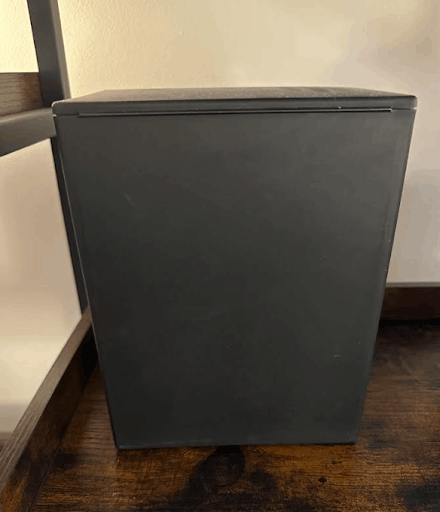
Cremated remains are placed in a sealed plastic bag and placed into a black plastic box supplied by the crematorium. The container is referred to as a “Temporary Container” or “Temporary Urn.”

Cremation is a final method of disposition. However, it is not the end of how a life is honoured or remembered. Following direct cremation, families have more flexibility to make decisions. They may choose to keep the cremated remains, place them in a cemetery, scatter them in a meaningful location (where permitted), or create a personal tribute that reflects their loved one’s life.

In many ways, direct cremation allows families the time and space to decide what feels right — whether that is a quiet moment, a gathering at a later date, or a lasting memorial.

Many crematoriums allow family participation, such as pressing the button to start the process. This is known as a “Crematorium Witnessing.” Thames Valley Cremation Services Inc. can arrange a cremation witnessing through the crematorium. The crematorium does charge an additional cost for a witnessing. For more information, contact Thames Valley Cremation Services Inc.

It is the most cost-effective option available. By removing the need for expensive services like embalming, high-end caskets, funeral home chapel rentals, funeral coaches and funeral staff, it makes a dignified farewell accessible to everyone, regardless of their financial situation.

Urns are available in a variety of materials, including wood, metal, ceramic, and biodegradable options. Some are designed for the home, burial, niche placement, or scattering. At Thames Valley Cremation Services Inc., we can help you choose what feels right.

Yes. Cremated remains can be separated and placed into multiple urns, keepsakes and cremation jewellery at the request of the executor or next of kin.

No. There is no need to travel to London to complete the arrangements. Everything can be completed by phone, email, online form, and through DocuSign. Once the cremation has taken place, Thames Valley Cremation Services Inc. will personally deliver the cremated remains to the executor or next of kin in Woodstock at no additional charge. This is included in our all-inclusive Direct Cremation Package.

Medical Assistance in Dying (MAID) is a deeply personal decision. Thames Valley Cremation Services Inc. does not provide advice about the decision to have MAID, but we can discuss and plan the details that will take place afterwards.

Some people choose to have family and friends together at home beforehand. We can discuss the timing and details in advance to help ensure the transfer from the home into our care is carried out with dignity and respect. One of the questions we are often asked is whether we can arrive approximately 20 minutes after MAID has taken place. Yes — this can be arranged in advance. Following the death, the doctor will complete the Medical Certificate of Death (Form 16) and leave it at the home for us.

For more information, please contact our office at 519-494-5340.

No. You are not required to bury the ashes in a cemetery — that is only one option. Ashes may be buried, scattered, or kept in an urn or other container.

A no-cost option is scattering them in the Thames River, which is permitted.

Visit london.ca/living-london/parks-facilities/parks/scattering-funeral-ashes for more information on the City of London’s applicable By-Law.


The cremated remains are securely placed inside a plastic bag and returned in a durable black plastic container, known as a temporary container. This container is included with the cremation and can be used until the cremated remains are transferred into an urn to keep at home, scattered or buried. 

Temporary cremation container

History of Funeral Services

Funeral services, as we understand them today, have their roots in England. In thirteenth-century literature, there are references to individuals known as “upholders.” While there is no direct evidence that this role continued into North America, their responsibilities closely resemble those of modern-day funeral providers.

An upholder was someone families could turn to when a death occurred. If a family did not have the funds readily available, the upholder could provide financial assistance to help arrange a proper funeral. In some cases, they also supplied essential items needed for the services, often referred to as the “fittings.”

While upholders no longer exist today, the principle of supporting families during a difficult time continues.

Historical records from England show that, over time, the role of the “upholder” gradually shifted to what became known as the “undertaker.” By the 1800s, the undertaker was the person families would contact to assist with funeral arrangements, marking an early step toward the modern funeral profession.

Unlike today’s funeral providers, early undertakers were typically tradesmen, often operating upholstery businesses. They supplied practical items such as coffins and drapery when needed. However, they did not take on the care or preparation of the deceased. At that time, those responsibilities remained with the family.

In early colonial North America, families were widely dispersed and primarily focused on survival, establishing homes and farming the land. There were no undertakers, and responsibility for the deceased rested entirely with the family. At the time of death, it was common for the body to be wrapped in a blanket and buried on the family’s property.

When available, neighbours might assist with practical tasks such as washing and dressing the body, constructing a coffin, or digging the grave. This support was informal and depended on proximity and circumstance.

Access to clergy was limited, particularly outside major settlements. As a result, formal funeral services were uncommon. Families might offer prayers, but a structured service would only occur if an “itinerant preacher” — commonly referred to as a “circuit rider” — was present in the area. These travelling clergy moved between communities and would conduct services when available.

This period reflects a time when care of the deceased was managed within the family and local community, with little formal structure or professional involvement.

As settlements expanded in the early 1800s, small “crossroad communities” developed along frequently travelled routes, typically about a day’s journey apart by horse and wagon. These communities provided access to skilled tradespeople, which began to influence how deaths were managed.

At the time of death, the local carpenter would build a custom coffin using the measurements of the deceased, while the livery stable owner supplied the horse and wagon for transportation. These were practical contributions to the family, though the carpenter would typically charge for the materials.

Despite this growing support, the care of the deceased — washing, dressing, and placement in the coffin — remained the responsibility of the family, often with assistance from neighbours.

Prior to the introduction of embalming, there were no preservative techniques in place. The deceased was simply washed, dressed, and placed in the coffin. In some cases, ice was positioned beneath the coffin to slow natural changes, but this was not always available.

In warmer conditions, burial often took place before any form of service due to the lack of preservation. Services, if held, would typically occur afterwards, either in the family home or in a church if one was available. These practices reflect the practical limitations families faced at the time.

As communities grew, so did the demand for the services provided by carpenters and livery stable operators. The livery stable operators took the deceased to the cemetery. Assisting at the time of death required time away from their primary occupations.

Over time, these individuals began charging for their services to account for lost income. This shift was not immediately accepted — many viewed profiting from death as inappropriate. In time, the local carpenter and livery stable operator became one unit in the evolution of the funeral industry.

The livery stable owner played a pivotal role in the evolution of funeral services. Because they provided transportation for the deceased, they were present at most funerals within the community. This exposure gave them practical insight into funeral customs and expectations. Families increasingly turned to them for guidance, not just transportation. This shift from providing a single service to offering advice represents one of the earliest transitions toward the evolution of the funeral industry.

This shift also reduced reliance on local tradespeople. Transportation changed as well, as individuals were increasingly able to afford their own wagons, diminishing the role of the livery stable owner. These changes placed economic pressure on both carpenters and stable operators, forcing them to adapt.

As industrialization reduced demand for handmade goods, carpenters adapted by becoming retailers of factory-produced items. Many also expanded their role by acquiring transportation resources and continuing to provide guidance to families. By combining merchandise, transportation, and advisory services, the carpenter effectively consolidated the roles once shared among multiple trades. This marked a critical step in the evolution of the funeral industry.

As factories began producing chemical products, manufacturers sought new markets. Following the American Civil War, embalming became more widely known due to its use in preserving bodies for transport.

Early adoption involved short training courses, often attended by carpenters transitioning into undertakers. Although embalming was initially met with hesitation and was performed in the family home under supervision, it gradually became accepted. This development added a skill set to the role, further defining the profession.

By the late 1800s, the individual once known as the carpenter or livery stable operator had evolved significantly. They were now providing merchandise, transportation, coordination, advice, and embalming services. This combination of responsibilities marked the full transition into what we now recognize as the funeral director — a dedicated professional supporting families through all aspects of care following a death, and the evolution toward the funeral home.

The introduction of embalming marked a significant turning point in the evolution of funeral services. Following the American Civil War, the practice became more widely known due to its use in preserving bodies for transportation over long distances.

Recognizing a new market, chemical manufacturers began promoting embalming to tradesmen — particularly carpenters who were already involved in funeral-related work. Training was initially minimal. Short courses, sometimes lasting only one to two days, were offered to those interested. Carpenters who attended were issued certificates and began incorporating embalming into their services.

This development represents a critical step in expanding the role from supplier of goods to provider of specialized care.

In the early 1900s, the undertaker began using a designated room within their home — often referred to as a parlour — for visitation. This provided families with a private and controlled setting to spend time with the deceased, away from the public nature of the family home.

The introduction of visitation in the undertaker’s space also allowed for structure. The undertaker could manage timing, flow of visitors, and overall arrangements, creating a more organized and intentional experience for families and guests.

By the 1920s and 1930s, the use of the undertaker’s parlour expanded beyond visitation to include funeral services. While many families still preferred to hold services in a church, societal shifts including decreased regular church attendance led to more services being held in the undertaker’s establishment.

For families with a strong connection to a church, the undertaker became a central figure in coordinating the service, including recommending clergy to officiate. This further strengthened the professional’s role as both organizer and advisor.

The early twentieth century also saw the introduction of motorized vehicles, replacing horse-drawn transportation. This modernization improved efficiency and became a standard part of funeral services.

During the same period, the term “funeral director” began to replace “undertaker.” This shift in language reflected a broader transformation in the profession — from a trade-based role to a more comprehensive, service-oriented practice focused on guiding families through all aspects of care.

By the mid-1930s, purpose-built funeral homes began to appear in Canada. Prior to this, many funeral directors operated out of their own homes. As demands grew, these spaces were expanded and renovated to better serve families.

This trend of adapting facilities to meet the needs of the community has continued over time. Funeral homes became more structured, more private, and more capable of accommodating a wider range of services in a single location.

During the Second World War (1939–1945), there was relatively little change in funeral service practices. Resources, materials, and personnel were largely directed toward the war effort, limiting expansion and innovation within the profession.

However, this period did influence broader societal trends. There was a renewed connection to religious institutions, which led to an increase in funeral services being held within churches.

The post-war period (approximately 1945–1960) brought significant social and economic change. As living conditions improved, public expectations shifted. Families began seeking more personalized and higher-quality services.

Funeral homes responded by expanding and renovating their facilities. Many introduced chapels within their buildings, allowing services to be held on site rather than in a church. The introduction of family limousines, increased use of floral tributes, and the need for larger spaces — particularly for parking — reflected these changing expectations.

As populations shifted from rural to urban areas, funeral services adapted accordingly. Urban growth led to increased demand for larger facilities, additional staff, and more structured service offerings. The funeral home became a central, organized setting capable of managing all aspects of the funeral process.

Corporate ownership of funeral homes in North America began to emerge in the late 1960s and continued to expand through the 1970s and beyond. During this period, some independently owned funeral homes were acquired by larger organizations, marking a shift in how parts of the industry were structured and managed.

This change introduced a different model of ownership, where multiple locations could be operated under one company. While many funeral homes remain independently owned, corporate groups became an increasingly visible presence within the profession. This development reflected broader economic trends at the time and contributed to ongoing changes in how funeral services were delivered, priced, and organized.

Cremation is a practice that predates modern civilization, with archaeological records stretching back thousands of years. While it was a central tradition for the Ancient Greeks around 1000 BCE and later the Romans — who believed fire acted as a purifying force to free the soul — the custom largely disappeared in Western culture for centuries.

In London, Ontario, the shift toward modern cremation took firm root in the mid-1960s. Local landmarks like Woodland Cemetery led the way for our community, opening London’s first crematorium in 1964.

No. While the majority of funeral homes in London are owned by large corporations, there are still a few independently owned funeral providers.

Thames Valley Cremation Services Inc. is proudly independently owned and operated by funeral director Roberta MacNeil, known as “Birdie” in the local community. The funeral profession in London, Ontario has historically been male-dominated, particularly in ownership roles. Birdie is proud to be one of the few women to own and operate an independent licensed Transfer Service Operator – Class 1 serving London, Ontario. When you contact Thames Valley Cremation Services Inc., you work directly with a licensed funeral director and owner, not a large corporate organization.

Choosing an independent funeral provider also means supporting your local community. Your investment stays in London, helping support Thames Valley Cremation Services Inc. and our local crematorium, Woodland Cemetery, Mausoleum & Crematorium, with whom Birdie has partnered. Woodland has been part of our community for generations and is known not only for its history but also for its beautiful grounds, mature trees, and the deer and other wildlife that many Londoners enjoy.

No. While some cremations take place in London, Ontario, many funeral providers, funeral homes and transfer service operators in our community send those in their care outside of London to be cremated. It’s important to ask your funeral provider the question: “Where will my loved one be cremated?” This way you can make an informed decision.

Over the past several decades, consumer expectations have changed significantly. While some families continue to choose traditional funeral services, others are looking for simpler, more affordable options that meet their individual needs.

Today, families are more informed than ever before. They understand they have choices, can compare funeral providers, and have access to each provider’s price list, which is available on their website as required under Ontario law. This allows families to make informed decisions based on the services they want and the fees they are comfortable paying.

The development of Thames Valley Cremation Services Inc. is a direct reflection of these changes. Through years of serving families, community presentations, and listening to residents across London, owner and licensed funeral director Roberta MacNeil (“Birdie”) recognized that many people were looking for a simple alternative to the traditional funeral home model.

As a licensed Class 1 Transfer Service Operator, Thames Valley Cremation Services Inc. provides direct cremation, direct burial, body donation transfer to the University of Western Ontario, and planning ahead services, along with professional guidance and all required documentation — while giving families a simple, transparent, and lower-cost option. This approach allows families to choose the services they need, while receiving personalized service and help with aftercare documents.

About

Home
About Us
FAQs
General Price List
Testimonials
Contact

Office Location

23 Salvia Court
London, ON, N5Z 4T3
519-274-0523 (cell) 24/7
519-494-5340 (office) 24/7

Available 24 Hours / 7 Days a week